Monday, 17 June 2013

Designing a Debaucherous Duo: Harold Pinter's The Lover (Part 2)

Hi again sports fans!

It surely does feel good to have a moment to write here again.  The last two weeks have been a whirlwind, and I mean like a destructive "it's a twistah!!!" kind, not the fun-fancy bright lights and cotton candy kind.  12 hour work days were pretty regular.  And while it always feels good to be busy, that was really, really busy.  But now the final designs have been handed in and approved, and I can catch you all up in this behind-the-scenes look into my design process.

The other week we talked a lot about the play, and the political and social context of the time in which it was written, which is always important to consider when staging a production.  After all, theatre is a mirror of society, or some fancy-pants junk like that.  In this case, it really really is.  

Okay, so we know the where, the when, and the why of the play, now what does it look like?!

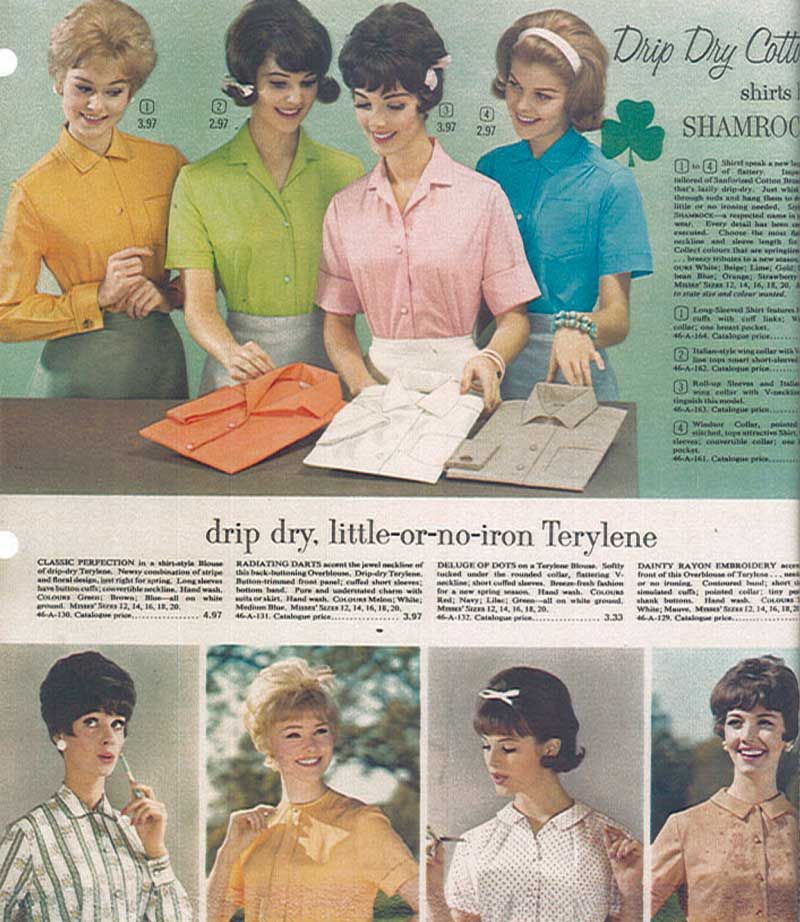
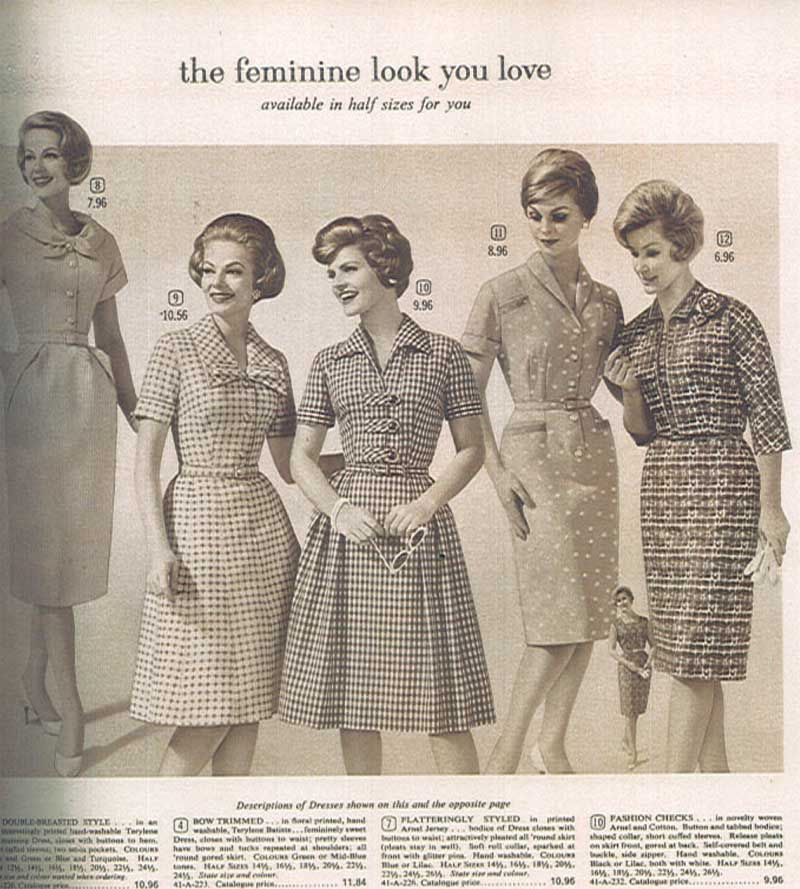
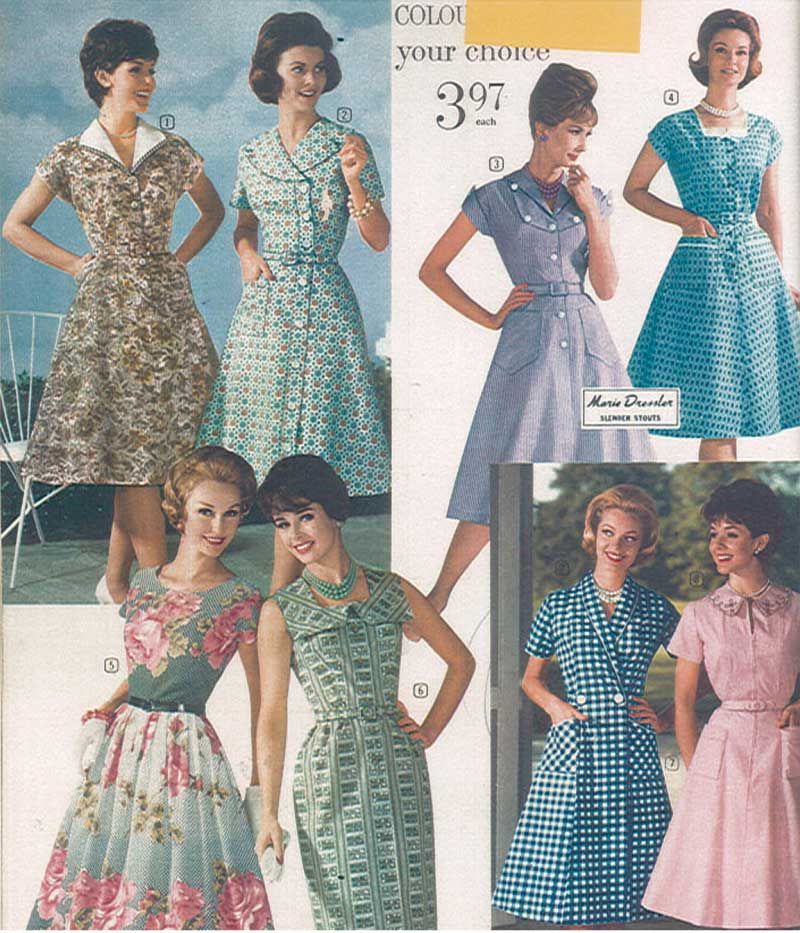
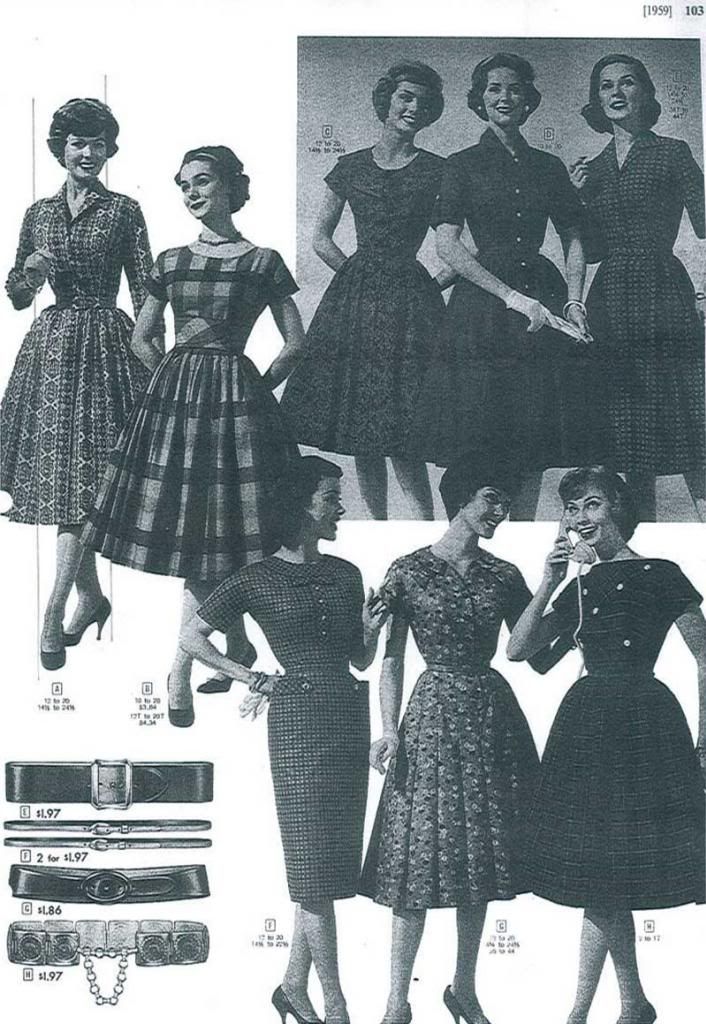
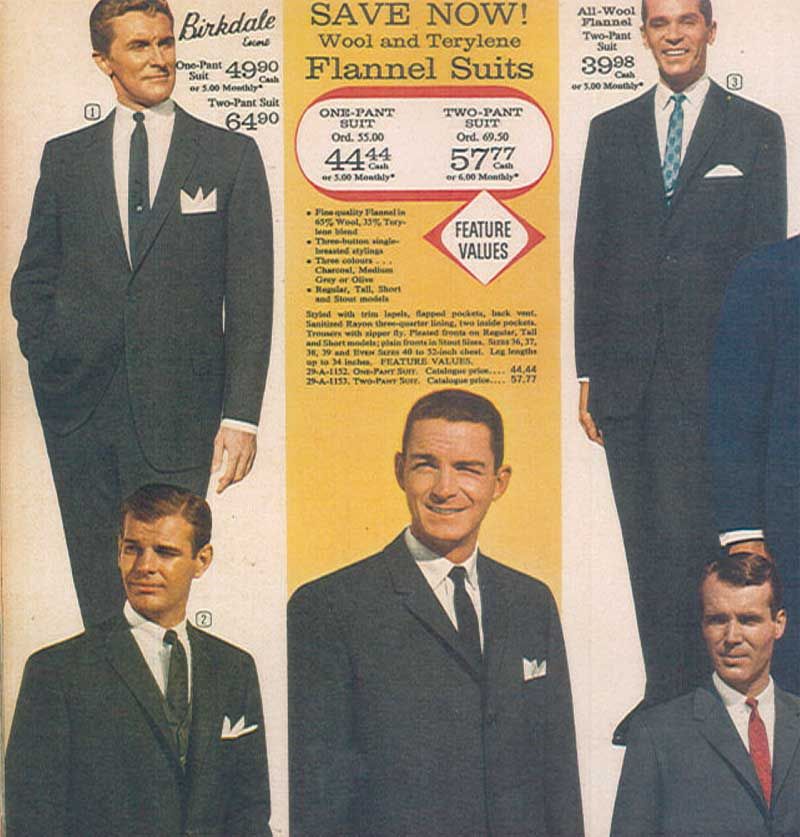
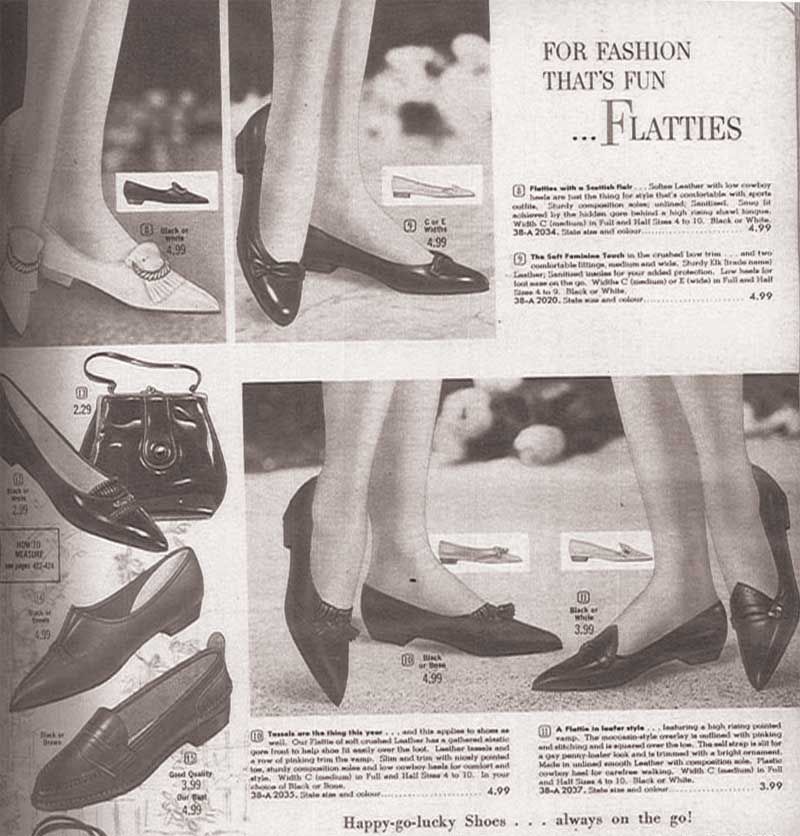
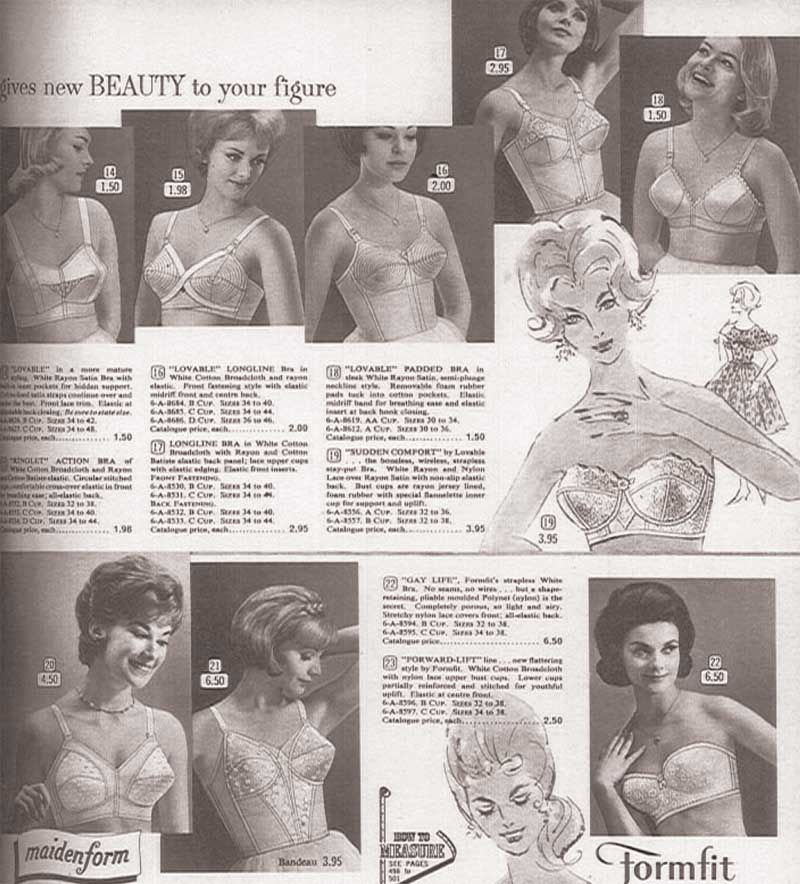
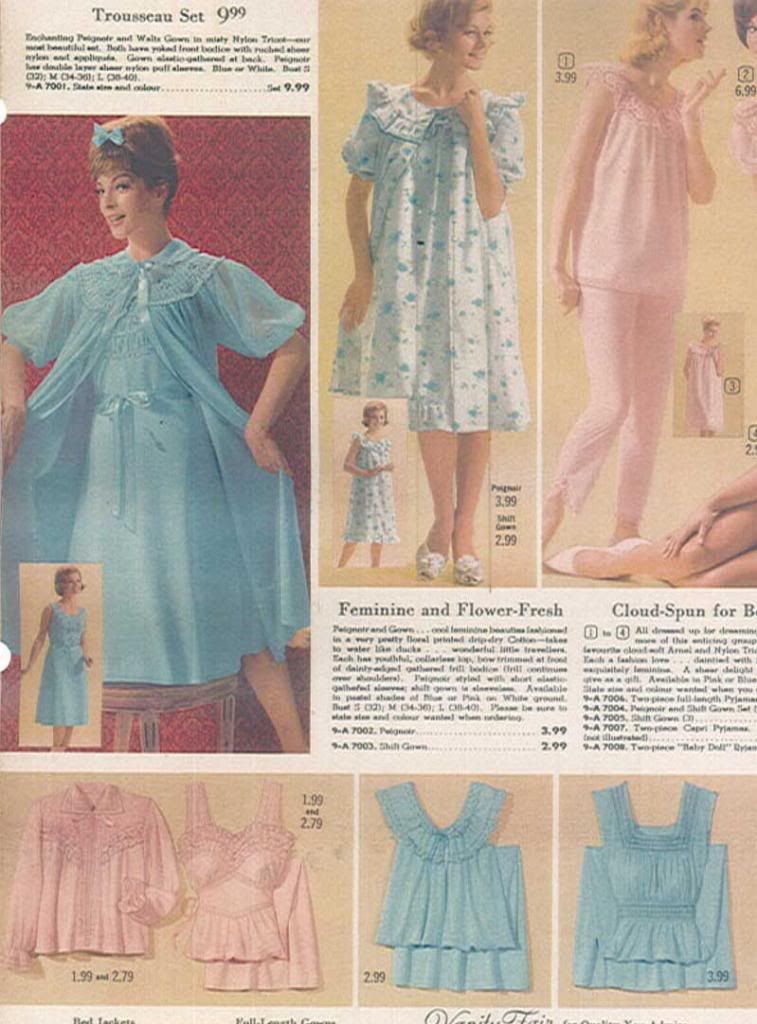
Now, my friends, comes my very favourite part of designing a show, the visual research!  I'm lucky enough to work at a theatre company with extensive resources, and managed to find Eaton's and Sears catalogs for Spring/Summer from 1957-1963, to get an idea of the evolution of style (most notable in women, particularly their hair! Biiiig changes took place then!) in the years leading up to and including the year the show is being set in (and was first performed). 

Now, these images really speak for themselves, so let's let them.  Enjoy some of the images I used to inspire and inform my design!


Tuesday, 4 June 2013

Designing a Debaucherous Duo: Harold Pinter's The Lover (Part 1)

Sex, sex, sex, and the Milkman.  Such is the daily normal life for British married couple Richard and Sarah.  But let's be clear: the sex isn't being had between the two of them.  Well, not exactly, anyhow.  
As we are introduced to the central figures in Harold Pinter's The Lover  they speak very frankly about their extra-marital sex lives.  Housewife Sarah has a lover who comes by many afternoons a week, and businessman Richard has a "lady of the night" he frequents on his way home.  The audience is shocked and amused and a little uncomfortable about how open the couple is about their regular infidelity.  But hey, different strokes, right?  When the milkman arrives mid-morning to deliver some cream (cue heavy bass and synthesizer... bow chica bow-wow) we're relieved with a bit of humour.  I mean, it's so cliche for it to be the milkman!! But he really has only come to deliver some cream, and Sarah doesn't want any - she's waiting for her lover, and he doesn't work for a Dairy.  

Sarah's lover is her husband, roleplaying in costume as the man "Max", and Richard's whore is Sarah dressed up and playing for him.  So how do you show a couple who play at infidelity without any infidelity at all? A couple who have begun to waver in their enjoyment of the other's fantasies, wishing the other didn't need them, but still wholly excited by their own?  A couple who don't have sex as man and wife, but as strangers and customers?

Originally created for television, Harold Pinter's The Lover was written in 1963, the same year that the production by 3 Peasants Productions (for which I am designing costumes) is being set.  We just had our first design meeting this past weekend, and I have dived into my process head first since then.  As my final designs are due in 1.5 weeks (I may have set myself a very tight deadline, eep! But sourcing costumes for a period show on a budget is going to take time, and the earlier I get approval from my Director, the sooner I can begin scouring thrift stores), I am well into the research stage of the design process.  I thought it would be fun to show you guys a peek into how I design a show at several stages in the process, from concept to creation.  So, let's see where it all begins!

I always look to the social climate of the time period the play is being set in, as well as the years leading up to it to get a real sense of what parts of the play resonate with the ongoing issues of the time.  1963 is a fabulous time to set this play, not only because it is the year it was written!  In late 1962, the "Profumo Affair" came ot light, a major scandal in British politics.  Secretary State of War, John Profumo, had an affair with Christine Keeler, reputed mistress of an alleged Soviet spy, leading to Profumo's resignation, and seriously damaging the reputation of Prime Minister Harold Macmillan's government.  In 1960, oral contraceptives ("The Pill") was made available for all married women, when it had previously only been prescribed for women with reproductive problems, as hormonal birth control treats a wide range of issues in addition to being a contraceptive.  This is a key issue with this play, where a married couple has sex several times a week and has never had children.  This is certainly something that would have occurred to the play's original audience, and is something that I'd really like to keep in mind as I work on this production: sexuality, especially in women was beginning to blossom, and those "swinging sixties" when free love reigned supreme, are just around the corner.  

In 1962-63, we're sitting just in the shift between the prevalence of the housewife (itself a backlash from WW2, as men returned home and reentered thew workforce) to the presence of the working woman, though the work roles women took were often limited at this time.  Sex, solely for pleasure and not for creating the average 2.5 children per household was on the rise with increasingly inexpensive contraceptives, and women were able to take more power in their own reproductive health.  

Through these social changes, fashion took a significant turn for women as well (realistically, though men's fashion does change over the years, the differences are much less marked, so we're going to focus on women here).  Hairstyles were shorter, fuller, and the youthful style of curls was replaced by upturned ends, waves and (later) sleek bobs.  Pants and flat shoes for women came into vogue, especially for the housewife: the days of vacuuming in heels and pearls were over, with more utilitarian clothing being preferred.  "Wash and Wear" fabrics and synthetics start popping up on the market, simplifying the home laundry routine, and bringing in brighter, bolder colours, and "fast fashion" - clothes made with arguably inferior materials and construction methods, making them inexpensive and resulting in fashion fads that changed frequently as clothing was viewed as more of a disposable item.  The strict rationing of materials like wool and nylon from the war was waning or lifted by this point, and the result was rampant consumerism.  Things became colourful, verging on garish, and trends in fashion and interior decorating were rapidly changing and evolving.  Also, The Beatles happened, and that shit was just cray.  So were teenage girls.  The two together were more explosive than napalm.

And we're looking at marriage in this time.  I think it could be very interesting!  I've already begun doing some quick sketches in anticipation of my Prelim deadline on Friday evening.  I'll share my prelim sketches here, and talk a bit more about the individual choices for the characters.  I'll also share some research (original Eaton's and Sears catalogs from 1957-1963 are a godsend)  to look more closely (and even in colour) at the incredible shifts in style through these years, and what this meant for women, including women like Sarah.

So stay tuned, and watch this show develop before your very eyes, before we open at the end of July!  

--Erin

PS. if you want a more thorough idea of the story, there's a modern production of it on youtube, and you can watch it here.  The original TV recording is also available here.  I hope my production will be quite different!

Thursday, 30 May 2013

DIY: Craft a New Gusset for a Vintage Bikini

You've found an awesome bikini at the thrift store/garage sale/dumpster, and you feel awesome in it... or you would, if it weren't for the nagging knowledge of this bikini's former life.  
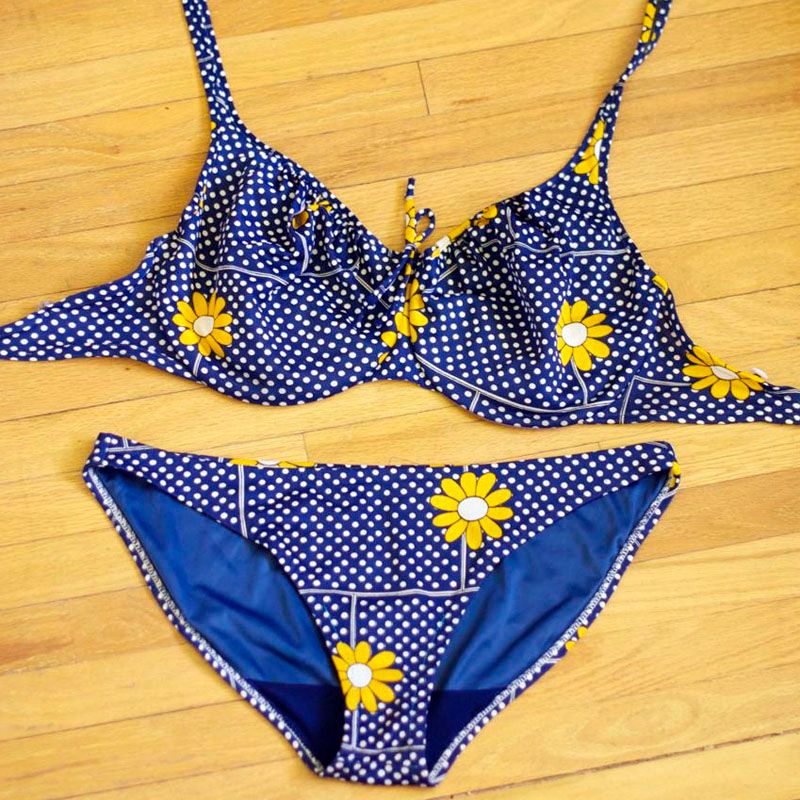
When I picked up this amazing 1960's bikini at the Toronto Film Costume Sale last weekend (for $5!!! what up!) I could immediately hear my Mother making gagging noises in my head, just over the thought of wearing someone else's... well, underwear, basically! And yeah, it's true, that is pretty gross.  So I said to Ephraim all excitedly that I was going to replace the gusset and this would be the best bathing suit ever!!
He said something to the effect of "Awesome! That all sounds great! But I don't know what a gusset is"
"It's the crotch.  Well, the crotch lining.  It's the clothing housing to lady bits, and should only really house one's lady bits.  Soooo I'll make my own!"

So today, we're gonna sew a new gusset into our new(old) bikinis, and start anew! This project takes under an hour, can be completed by hand or machine, and is simple enough for any skill level.  So, let's get to it, because temperatures are rising!

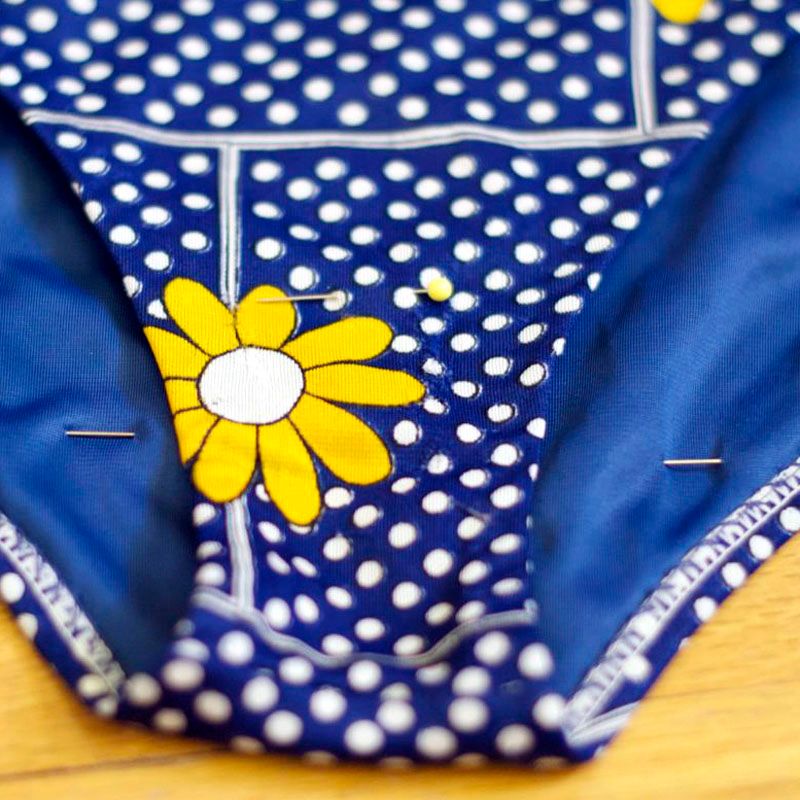
1//  mark with a pin how high you want the rise of your gusset onto the bikini bottoms.  It may be helpful to compare with a pair of panties that fit you well!
2//  lay your bottoms on top of the fabric you will be using for the gusset.  I used some lycra I had in my stash box.  Pin the new fabric and bottoms together, and mark the new fabric along the leg holes, up to the rise you decided upon in step 1.  
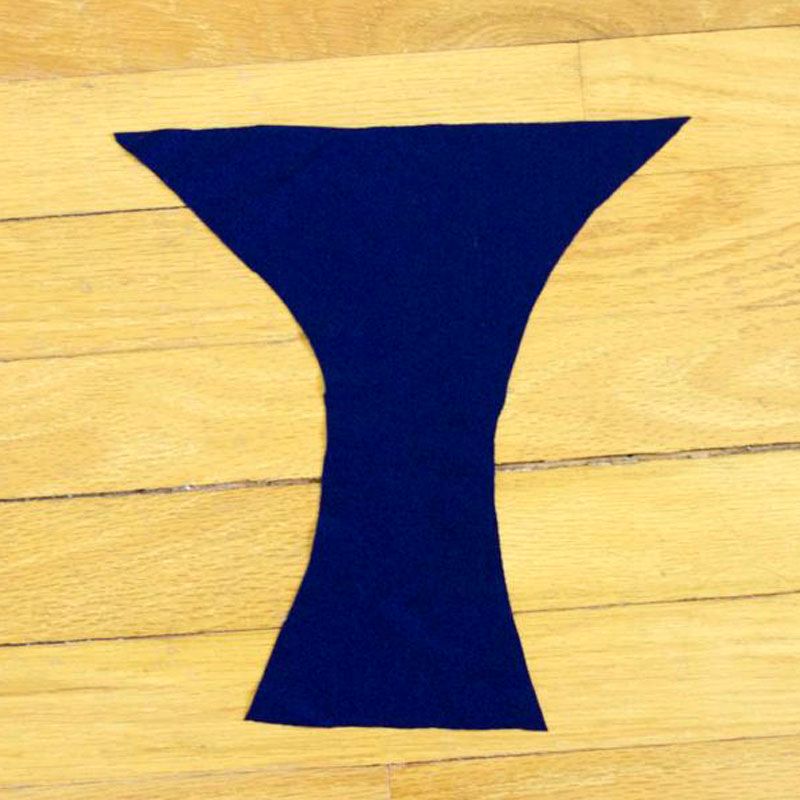
3//  Carefully cut out the new fabric along your guides, and straight across the marked rise points at the front and back.  I kept everything pinned together, because I couldn't easily see my marks on my dark fabric! Be careful not to nick the suit with your scissors, and go slowly!
4// Isolate your new gusset material, and trim up the curved sides.  This is a good time to try to get the cut edge nice and smooth, but don't worry too much; this is all about function and way less form!
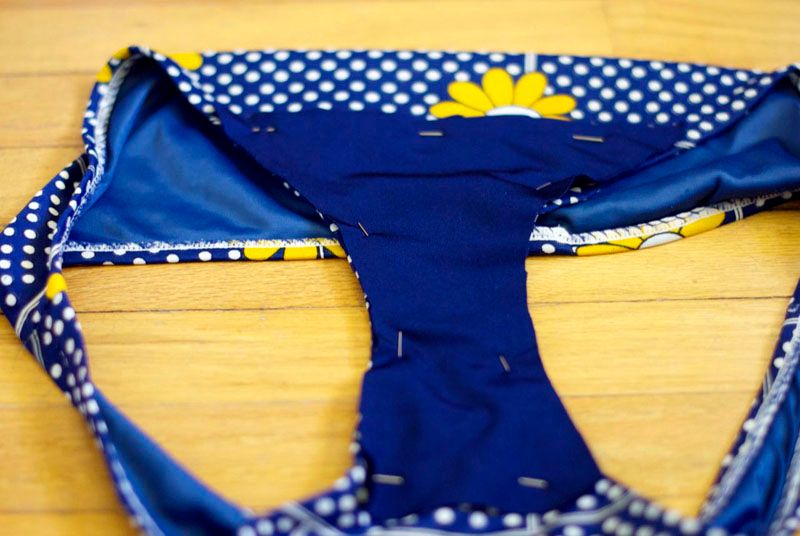
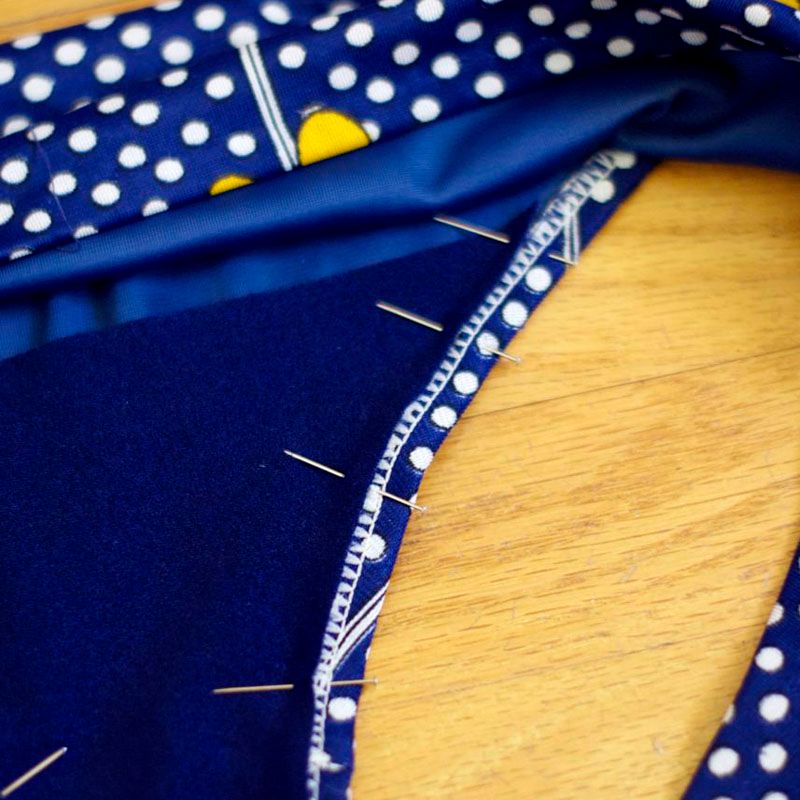
5// lay the new gusset into your suit bottoms.  As you can see here, I trimmed my sides just enough to stop them from overlapping the edge of the suit, but tried to stay around where the suit was already sewn.  It's not perfect, but that's okay!
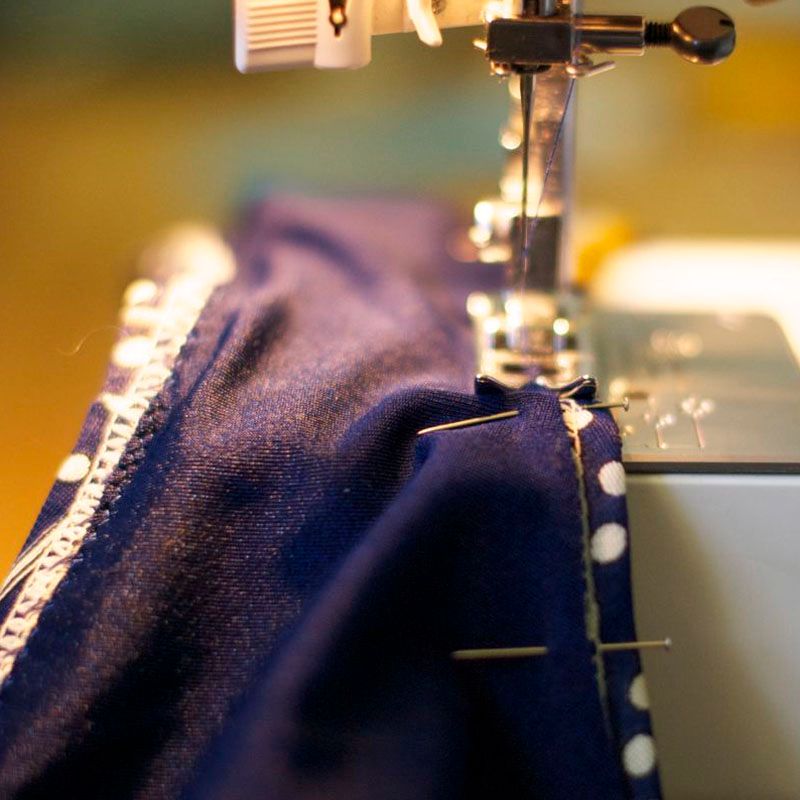
6// Pin it within an inch of its life! The suit and in my case the gusset material as well were very slippery, and wanted to move around a lot.  To avoid bunching and shifting as you sew, pin pin pin away.  You will only sew the gusset in around the legs, and not across the tops.
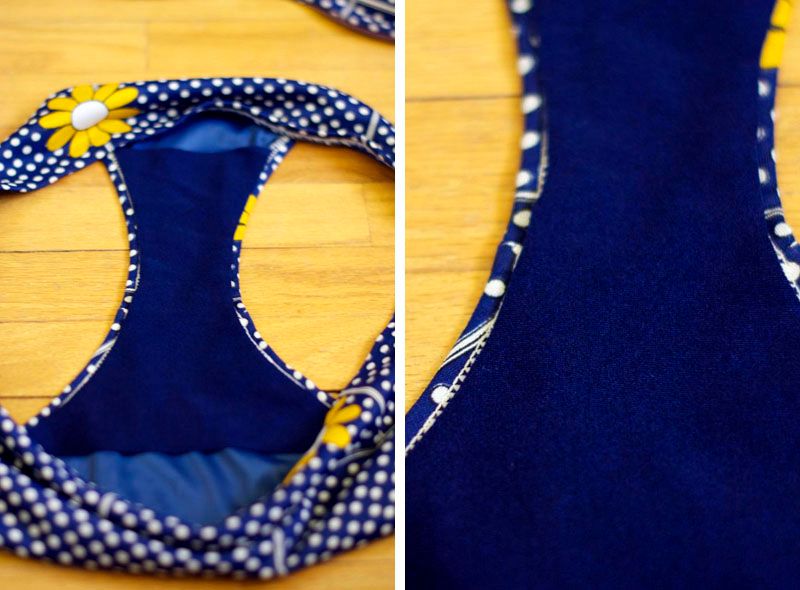
7// Sew the gusset into your suit with a short and narrow zig-zag stitch.  You can also sew it in by hand with an angled top stitch, to allow the fabric a little give.  Try and contain the edge of the fabric within your zig zag, to hold it down neatly. Optional: Hand tack the rise of the gusset in to the lining of the suit.  It should lay nice and flat on its own, but you may want a more "clean" look. 
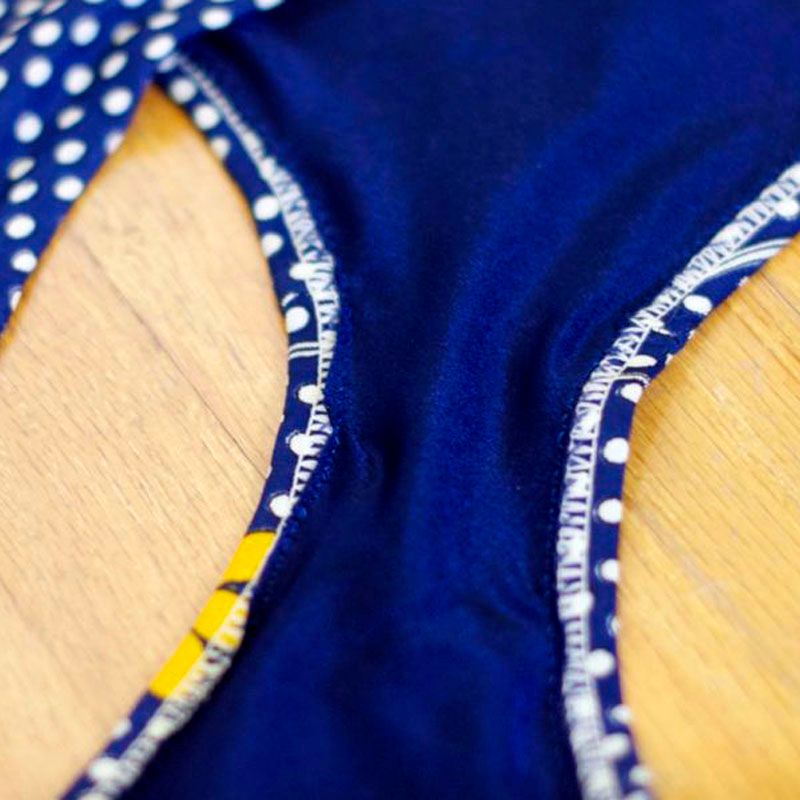
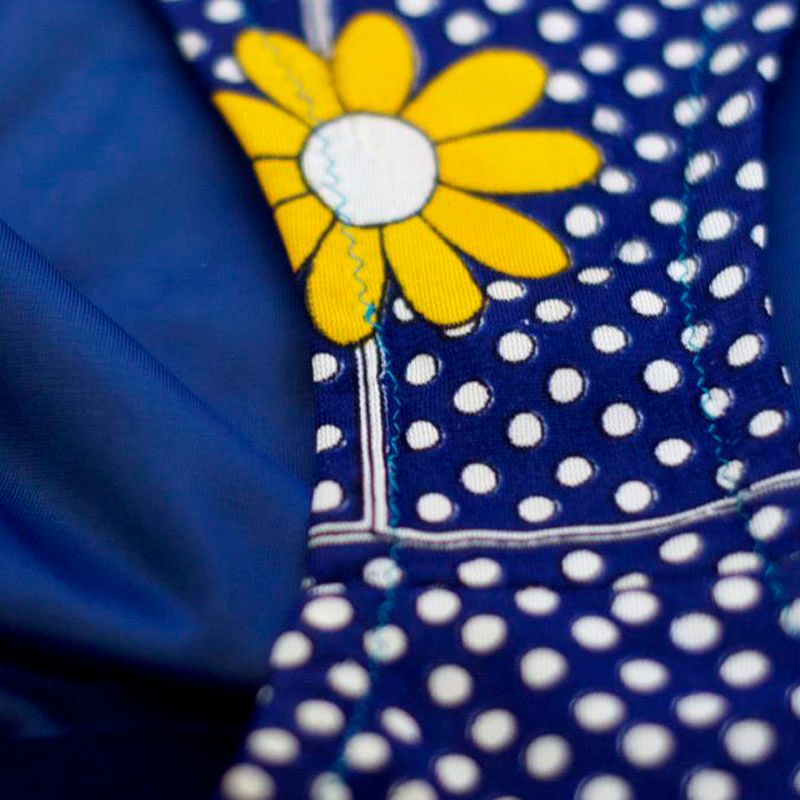
This is what your suit will look like after you've sewn the new gusset in.  I used a contrasting bottom thread, because I liked the look of it.  Or maybe it's because I didn't feel like loading a new bobbin.  You'll never know (and I can guarantee you, nobody is going to notice!! Just keep it relatively close)

Now put that gorgeous suit on and get outside! Because it's really hot out, and so are you.

--Erin

Monday, 27 May 2013

Zaida's Toolbox

A few months ago, I inherited two toolboxes that had belonged to my Zaida (grandfather), after my Bubba (grandmother) passed away.  It's been a bit busy around these parts, so I only last week got a chance to sit down and sort through them and decide what I wanted to keep, and what I could pass along.  I thought I'd sit down with my camera for the process, as it felt a bit like opening a time capsule.  I doubt that anyone has looked in the toolboxes much in the nearly 10 years since he passed away, and they were certainly filled nearly beyond capacity with stuff.  It took a bit of negotiating to get everything to fit back in there!  My Zaida was a very, very handy man, and so his toolboxes are an extension of what I remember most about him. 


It's funny, the things you can learn by going through someone's belongings that they never expected anyone else to pay attention to or even to ever see.  How they keep things organized (or not).  The things they can't see fit to throw away, even if a use for them doesn't seem apparent.  That someone kept dropping Bubba's nice dishes, enough to justify 3 tubes of china-weld.  Little scraps of paper, pencils sharpened with a knife, and more loose screws than One Flew Over the Cuckoo's Nest.  I like to think that I'll have a piece of him with me on all the future projects I use these tools for. 
--Erin

Friday, 24 May 2013

On the Bus, to a Plane, to a UFO and to Outer Space Baby!

Located conveniently up the street from the Value Village in Niagara Falls is the Flying Saucer Restaurant.  The epitome of kitsch, the flashing lights atop the "UFO" has called to Ephraim and I many times before, but finally after a day of thrifting the stars aligned (haha) and we checked the place out for ourselves!  I'm going to say straight away that this is not a place to go if you're looking for a great meal, especially as a vegetarian.  I had about 3 options available to me on the menu, and they all involved cheese and starch.  I stuck with a grilled cheese sandwich, because I was pretty sure I knew what I'd be getting.  I have to admit, the fries were awesome, but what was really out of this world (oh man I am on a roll!) was the decor.  Here are a somewhat excessive number of photos from our amazingly dated alien abduction, but let's be honest I'm totally never going back unless I'm in the area and craving a milkshake, so these photos are all I have to remember this tinted-mirrored wonder by.
Bonus: somewhat unrelated photos taken at/outside of the restaurant that I just liked and am therefore sharing.
He is too an adult.  His Spiderman watch may have indiglo, but it also has a leather band.  So... it's a wash I guess
--Erin